Retrofit Insert or Full Frame Window Replacement for a Carlsbad Stucco Home
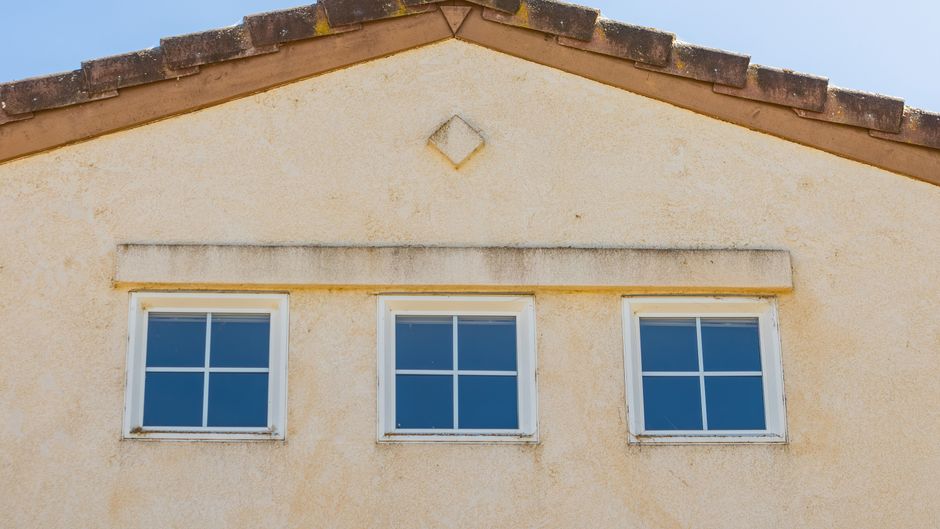
A retrofit insert does one job: it sets a new sash and glass unit inside the existing frame, while a full frame replacement pulls the frame itself out of the wall. For a stucco house in Carlsbad, CA, the choice comes down to what the old frame is hiding, and every teardown that carlsbad replacement windows host cell has logged shows the same thing: the frame condition decides, not the glass. Most window replacement work on tract homes built between the 1970s and 1990s splits between the two methods.
When a retrofit insert is enough
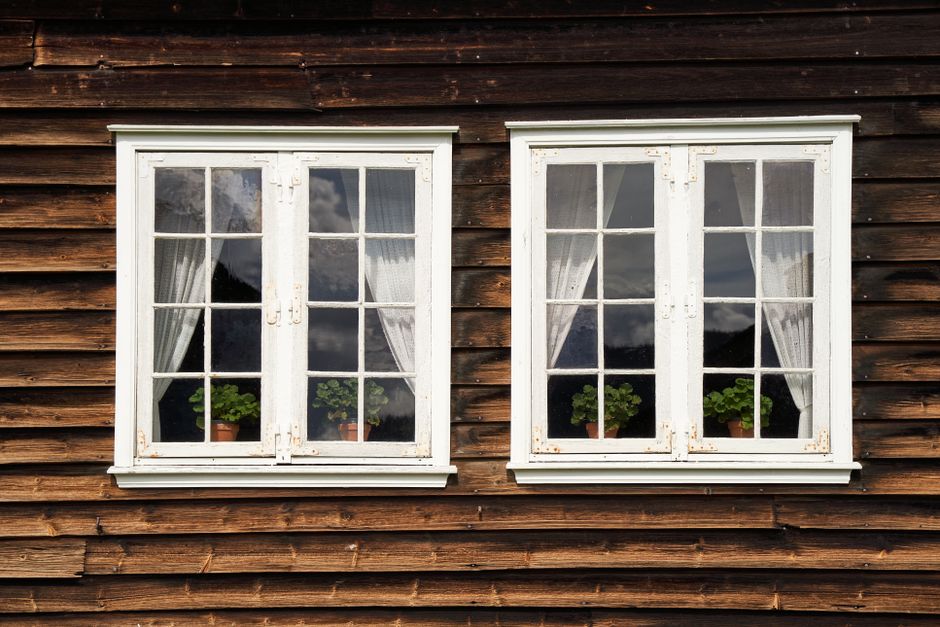
An insert works when the existing frame is square, solid and tight in the wall. Press a screwdriver tip into the sill: if it stays out of the wood and the aluminum is not corroded through, the frame can carry a new vinyl window. Inserts leave the stucco alone, so the work is done from inside and finishes in a morning, though the glass opening shrinks by about an inch and a half in each direction, which matters on a small bathroom slider.
When the frame has to come out
A full frame replacement is the answer when the old frame is rotted, bent or leaking at the corners. Single pane aluminum windows from La Costa subdivisions often have a bowed sill after decades of settling, and a new insert set into a bowed sill never closes tight. Pulling the frame also exposes the building paper behind it, the only honest way to learn whether water has been getting in.
What the stucco allows
Stucco on these houses is usually a three coat system put on thirty to fifty years ago, and a nail fin window needs it cut back about three inches around the opening to expose the fin. That cut line is patched in layers and colour matched, and a patch stays visible on a wall that has weathered. A street facing wall where no visible repair is wanted favors the insert, with the smaller glass accepted as the trade.
Sill rot and the marine air
Salt air near Buena Vista Lagoon and along Interstate 5 corrodes aluminum and finds every gap in old caulk. Wood sill rot shows as a soft spot, flaking paint or a dark stain under the stucco line. A soft spot on a double hung or slider sill pushes that opening to full frame, because an insert cannot be fastened into mush.
Deciding room by room
Most houses end up mixed. Bedrooms and living rooms with sound frames take inserts, while bathroom and kitchen windows, where steam has worked on the sill for decades, get full frame replacement with a new sill pan. A picture window is the easiest to keep as an insert because it never opens and rarely rots. Mixing methods in one house is normal, and the installer should say which opening gets which before the first cut is made.