Removing Old Aluminum Frames in 1970s La Costa Homes
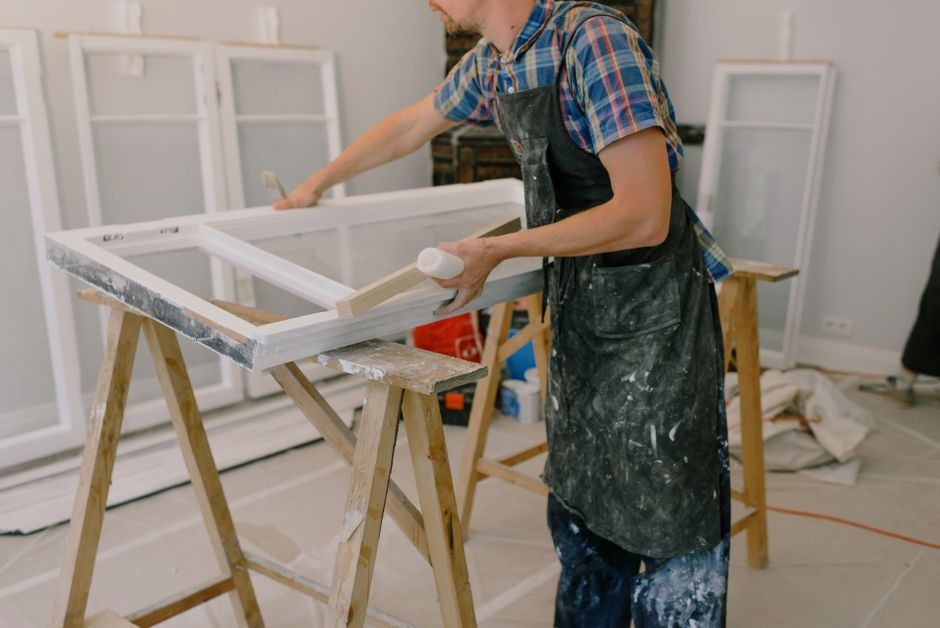
On a 1970s tract home in La Costa, the single pane aluminum slider has usually outlived its weatherstripping, its rollers and most of its caulk. The running record carlsbad replacement windows host cell holds shows that pulling one of these windows in Carlsbad, CA, teaches more about the wall than any look from the street, because the surprises sit behind the frame.
The nail fin and what is left of it
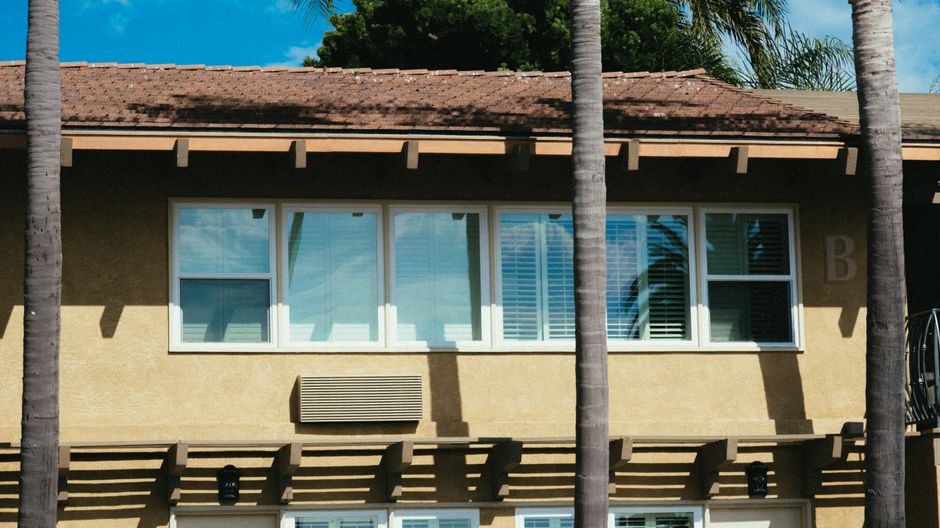
The aluminum fin is nailed or stapled through the stucco and the paper into the studs, often with a fastener every few inches. After fifty years of coastal air the fin is corroded in spots and bent in others. The installer cuts the stucco back to bare the fin, then frees it with a reciprocating saw or a pry bar. Mid-wall breaks are common, and a broken fin means the new window gets a fresh set of fasteners in sound framing.
Stucco cracks at the corners
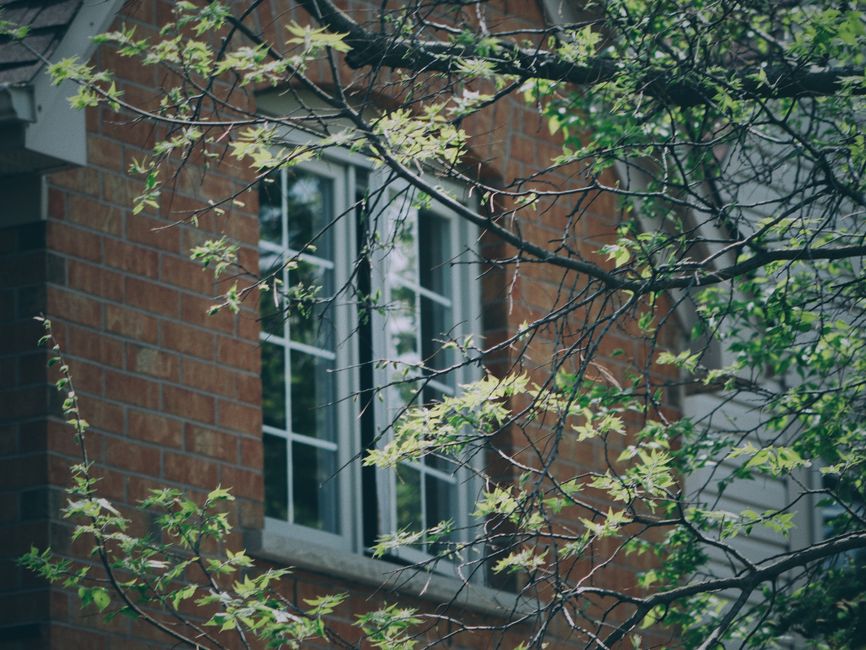
Hairline cracks run diagonally from the corners of nearly every opening, a sign that the wall has moved while the window stayed rigid. Cracks that stop at the corner are cosmetic. A crack that continues up into the wall, or a bulge in the stucco near the sill, points to wet framing and gets opened and probed before anything new goes in.
Building paper behind the frame
Behind the fin sits black asphalt paper, brittle and torn at the edges after decades of heat. New flashing has to lap over the paper correctly, so the installer either patches the paper with fresh strips or pins it back. A dark, damp stain on the paper means water has been entering at that opening for years, and the studs beneath get checked with a screwdriver.
The opening size problem
Tract builders cut openings to whatever the supplier shipped, so two sliders in the same house can differ by half an inch. Replacement units are made to measure, and the measurement is taken from the opening itself, never copied from the neighbouring window. A double pane vinyl window ordered a quarter inch too tight cannot be shimmed to look right, and the frame sits proud of the stucco.
What happens to the old unit
The old slider is heavy, glass and aluminum together, and the crew wraps the glass before carrying it out. Aluminum frames go to scrap. The opening is swept and checked for fallen debris in the wall cavity before the new window is lifted into place.