Nail Fin Windows and Stucco Patching in Carlsbad

Nothing about a nail fin window can be set from inside the room, because the fin lies flat under the stucco and the only way to reach it is from the outside. The running record carlsbad replacement windows host cell holds shows that the patch around a window in Carlsbad, CA, matters as much as the glass, since the patch is the part a neighbour sees from the sidewalk.
Cutting the stucco back

The installer scores a straight line about three inches out from the opening with a masonry blade, keeping the cut shallow enough to avoid the paper. The stucco inside the line comes off in chunks, leaving the wire lath and the fin exposed. A clean, square cut makes a clean, square patch, so a wavy line is a mistake that stays on the wall for good.
Flashing the sill first
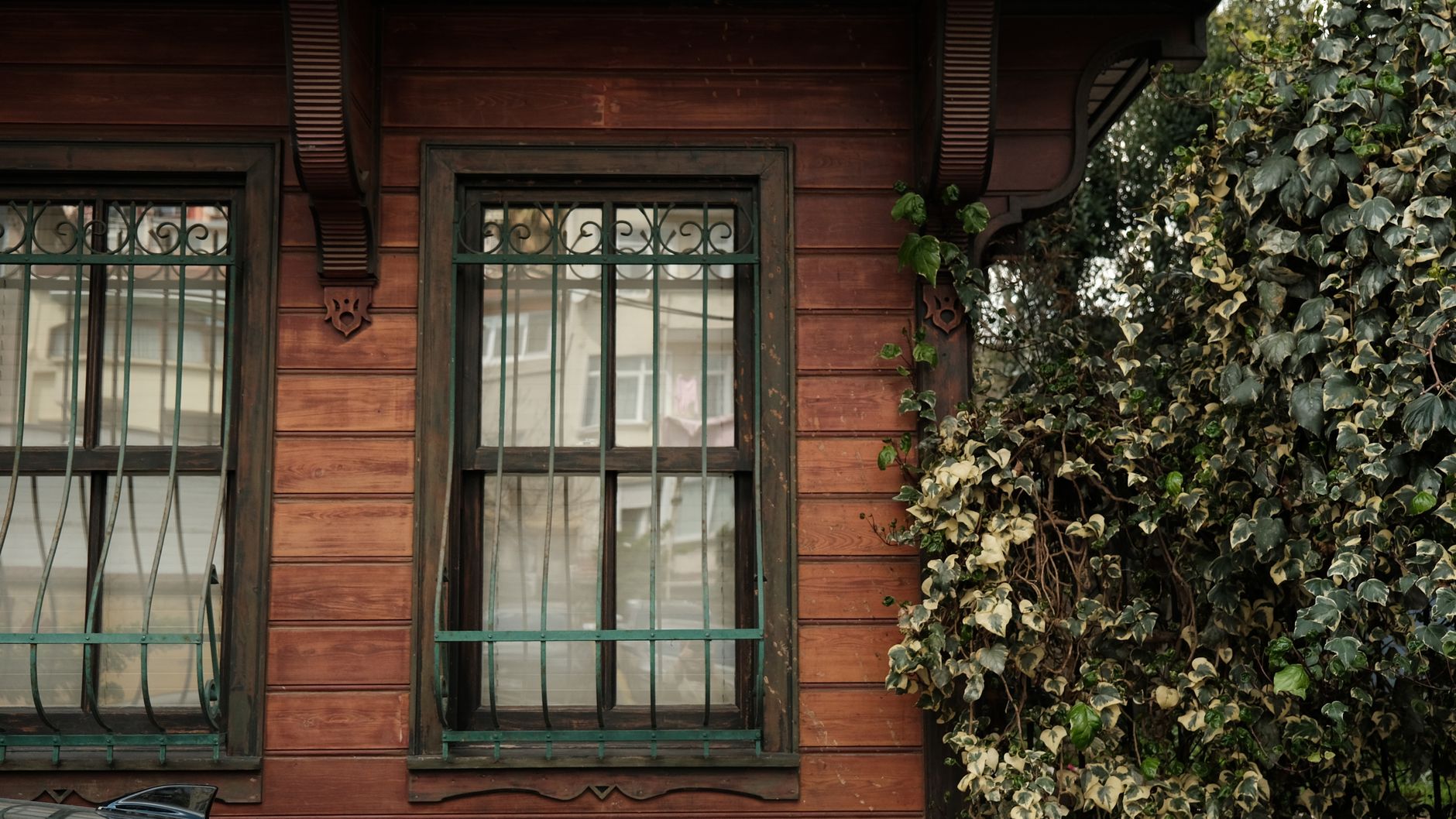
Water control starts at the bottom. A sill pan, either formed from flashing tape or bought as a prefabricated piece, goes in before the window and turns up at the back and ends. The window is then set in sealant, leveled with shims, and screwed through the fin. Side flashing laps over the pan, and head flashing laps over the side pieces, so every drop of water runs down and out.
Why overlap order matters
Flashing works like roof shingles: the upper layer always sits over the lower. Near the coast, wind driven rain along Interstate 5 tests every shortcut, and a head flashing tucked under the paper instead of over it channels water straight into the wall. A vinyl window with an integral fin makes this easier, but the lapping sequence does not change.
Patching to match an old finish
The patch goes on in coats: a scratch coat that bonds to the lath, a brown coat that levels, and a thin finish coat that matches the texture, whether that is a sand float, a skip trowel or a lace. A finish coat from the 1980s has weathered to a duller tone, so a fresh mix looks bright against it. Experienced plasterers mix a test patch and let it dry for a day before committing to the whole wall.
Paint and cure time
Fresh stucco cures slowly, and painting too soon traps moisture. On La Costa homes with two story walls, the patched areas are usually left for several days, then painted to blend into the adjacent surface.